
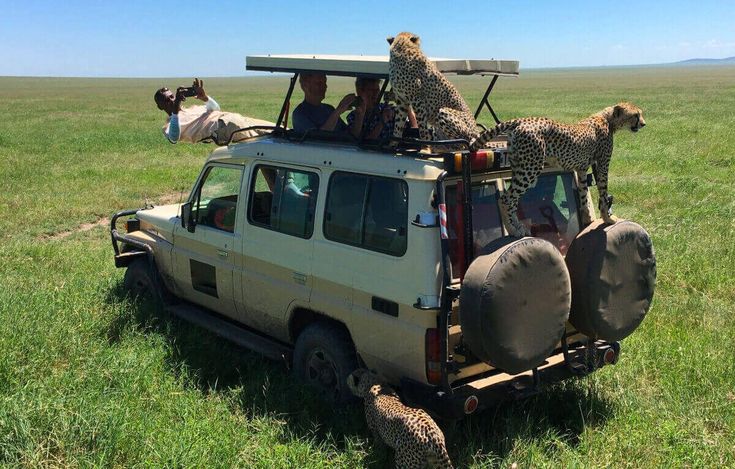
When planning a bucket-list trip to East Africa, every traveler eventually hits the same crossroads: Masai Mara vs. Serengeti. Both ecosystems are world-renowned, but for a truly immersive and high-yield wildlife experience, the nuances matter. At Nature Romp Safaris, we’ve spent decades navigating both terrains, and while the Serengeti offers vastness, the Masai Mara offers an intimacy and density of wildlife that is unmatched for professional photographers and first-time safari-goers alike.
The Geographic Reality: One Ecosystem, Two Different Experiences
It is a common misconception that these are two entirely different worlds. In reality, they are part of the same 30,000-square-kilometer ecosystem. The border between Kenya and Tanzania is invisible to the millions of wildebeests and zebras. However, for the traveler, the best Kenya safari tour experience often comes down to accessibility.
The Masai Mara National Reserve is significantly smaller than the Serengeti. While “smaller” might sound like a disadvantage, in the safari world, it means higher wildlife density. You spend less time driving over empty plains and more time with your engine off, watching a pride of lions or a cheetah hunt. For those searching for Big Five sightings in Kenya, the Mara is statistically more reliable for seeing all five—lion, leopard, elephant, buffalo, and rhino—within a single three-day window.
Why Wildlife Photographers Prefer the Masai Mara Over the Serengeti
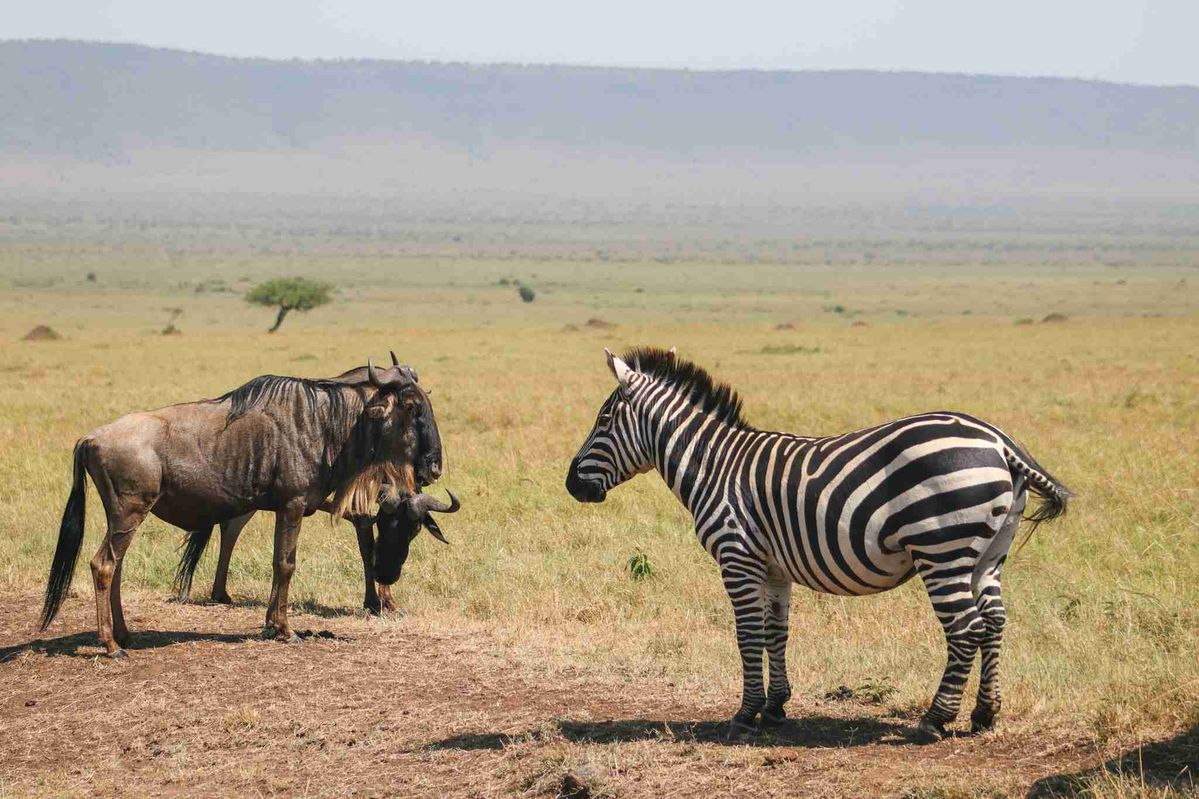
If you are an aspiring National Geographic photographer, the Mara is your playground. The “Great Wildebeest Migration” is spectacular in both countries, but the Mara River crossings are geographically concentrated in the Kenyan sector.
-
The Light: The rolling hills of the Mara provide a more varied backdrop than the flat, endless plains of the central Serengeti.
-
Off-Roading Rules: In many of the private conservancies in Masai Mara (like Mara North or Olare Orok), professional guides are permitted to go off-road to get you closer to a rare leopard sighting. This is strictly prohibited in the Serengeti National Park.
-
The Iconic Lone Tree: That classic silhouette of an acacia tree against a crimson sunset? That is the quintessential Masai Mara landscape.
Sustainable Travel Kenya: The Rise of Private Conservancies
The “outside the box” secret to a 2026 safari is staying in a conservancy rather than the main reserve. This is the heart of sustainable tourism in East Africa. Conservancies are lands owned by local Maasai communities and leased to boutique safari camps.
When you book a sustainable safari Kenya package through Nature Romp Safaris, you aren’t just a tourist; you are a conservation partner. Your park fees go directly to the Maasai landowners, ensuring that the wildlife is protected from poaching and that the local community benefits from every lion you photograph. This model has led to a massive surge in the leopard and lion populations within these protected zones.
Hidden Gem Destinations: Beyond the Maasai Mara
While the Mara gets the glory, the best safari destinations in Kenya include “hidden gems” that savvy travelers are starting to prefer for 2026.
-
Amboseli National Park: Famous for the world’s largest elephants and the clearest views of Mount Kilimanjaro. It’s the best place for elephant photography safaris.
-
Samburu National Reserve: Home to the “Special Five”—animals you won’t find in the Mara, including the Reticulated Giraffe and the Grevy’s Zebra.
-
Ol Pejeta Conservancy: The only place in the world to see the last two remaining Northern White Rhinos. This is a must for any wildlife conservation safari.
Cost Comparison: Is a Kenya Safari More Expensive Than Tanzania?
A major search query for 2026 is “Kenya vs Tanzania safari cost.” Generally, Kenya offers better infrastructure and more frequent domestic flights via SafariLink or AirKenya, which can actually lower the overall cost of a multi-destination trip.
Moreover, Nairobi day tours and the proximity of the city to the wild mean you can start your safari within hours of landing. In Tanzania, the logistics often require longer, more expensive transfers between the northern circuit and the coastal islands. For the budget-conscious traveler, affordable Kenya safari packages often provide higher luxury-to-cost ratios than their southern neighbors.
The 2026 Safari Tech Trend: Digital Nomads in the Wild
We are seeing a massive spike in safari for digital nomads. With high-speed satellite internet now available in many remote camps, travelers are booking 14-day stays where they work in the morning with a view of the savannah and go on game drives in the evening. This “Slow Travel” movement is redefining the African safari experience.