
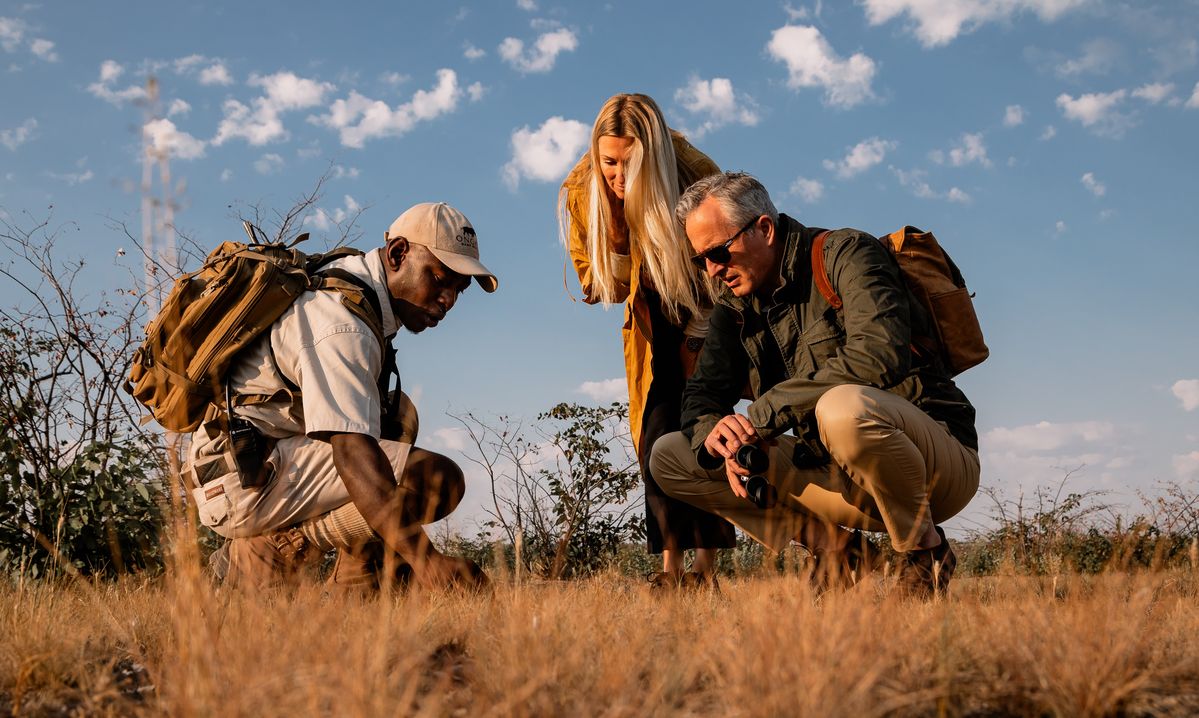
For a wildlife photographer, Kenya is more than a destination; it is a pilgrimage. The interplay of light, the vastness of the savannah, and the raw drama of predator-prey interactions create a canvas unlike any other on earth. However, getting the “perfect shot”—that crisp image of a leopard descending an acacia or a lion pride in the golden hour—requires more than just a good camera. It requires a Professional Wildlife Photography Safari Kenya Workshop where the logistics are designed specifically for the lens. At Nature Romp Safaris, we understand that photographers have different needs: we don’t just find animals; we position you for the light.
Why a Professional Wildlife Photography Safari Kenya Workshop is Essential
Standard safaris are designed for “viewing,” but a Professional Wildlife Photography Safari Kenya Workshop is designed for “creating.” The difference lies in the patience and the equipment.
-
Vehicle Modification: Our photography-specific 4×4 Jeeps feature lowered window sills and specialized bean-bag mounts to ensure maximum stability for long telephoto lenses.
-
The Luxury of Space: We strictly limit these workshops to a maximum of three photographers per vehicle. This ensures everyone has a “window seat” and enough room for multiple camera bodies and lens swaps.
-
Expert “Photo-Guides”: Your guide on a Professional Wildlife Photography Safari Kenya Workshop understands “The Rule of Thirds” and “Backlighting.” They know how to maneuver the vehicle to ensure the sun is behind you, not washing out your subject.
Focusing on the Big Cats: Masai Mara and Beyond
The heart of any Professional Wildlife Photography Safari Kenya Workshop is the Masai Mara National Reserve. This is the premier location for big cat photography. Whether you are tracking the “Famous Five” cheetahs or the resilient prides of the Mara Triangle, the open plains provide clean backgrounds that make your subjects pop.
We also venture into private conservancies like Olare Motorogi. These areas allow for off-road driving, which is a game-changer for photographers. If a leopard is tucked away in a thicket, we have the permit to get closer, ensuring you get the intimate, high-detail portrait that is impossible from a distance.
Capturing the “Land of Giants”: Amboseli and Mt. Kilimanjaro
No Professional Wildlife Photography Safari Kenya Workshop is complete without the iconic “Elephant in front of Kilimanjaro” shot. Amboseli National Park provides the world’s best backdrop for elephant photography. Our workshops here focus on wide-angle environmental portraits, capturing the scale of the herds against the massive volcanic peaks. We time our visits to the swamps to capture the reflection of the elephants in the water—a classic shot for any professional portfolio.
The Technical Side: Post-Processing and Critiques
A true Professional Wildlife Photography Safari Kenya Workshop doesn’t end when the sun goes down. In the evenings, we host “Campfire Critiques” at our luxury tented camps.
-
Editing Suites: Our lodges provide dedicated spaces with power for laptops and backup drives.
-
Workflow Tutorials: We discuss everything from Adobe Lightroom presets to managing high-ISO noise in low-light dusk shots.
-
Composition Theory: We analyze the day’s shots, discussing how to tell a story through a sequence of images rather than just a single frame.
Specialized Gear for the Kenyan Savannah
When you join our Professional Wildlife Photography Safari Kenya Workshop, we provide a comprehensive gear guide. Essential items include:
-
Lenses: A versatile 100-400mm or a fixed 500mm/600mm for wildlife, and a 16-35mm for those wide-angle landscapes.
-
Protection: High-quality dust covers for your gear are mandatory; the Kenyan dust is fine and pervasive.
-
Support: While we provide bean bags, some photographers prefer specialized gimbal heads for the vehicle’s roll bars.
Ethical Wildlife Photography: Respecting the Subject
Integrity is the core of every Professional Wildlife Photography Safari Kenya Workshop. We never “bait” animals or crowd a sighting to the point of causing distress. A great photograph should never come at the cost of the animal’s welfare. We teach our participants how to read animal body language, ensuring we stay at a distance that allows the wildlife to behave naturally, leading to more authentic and compelling imagery.