
Ultimate Kenya Safari Packing List for International Travelers
You’ve booked your flights, secured your visa, and chosen your dream itinerary. Now comes the most common question we receive from our guests: “What do I actually put in my bag?” Packing for Africa is a unique challenge because you have to balance the intense equatorial sun with chilly morning game drives, all while adhering to strict weight limits on bush flights. This Ultimate Kenya Safari Packing List for International Travelers is designed to ensure you are comfortable, culturally respectful, and technically prepared for the adventure of a lifetime.
1. The Golden Rule of Clothing: Neutral Layers
When it comes to safari fashion, functionality is king. The goal is to blend into the environment and avoid attracting unwanted attention from insects.
-
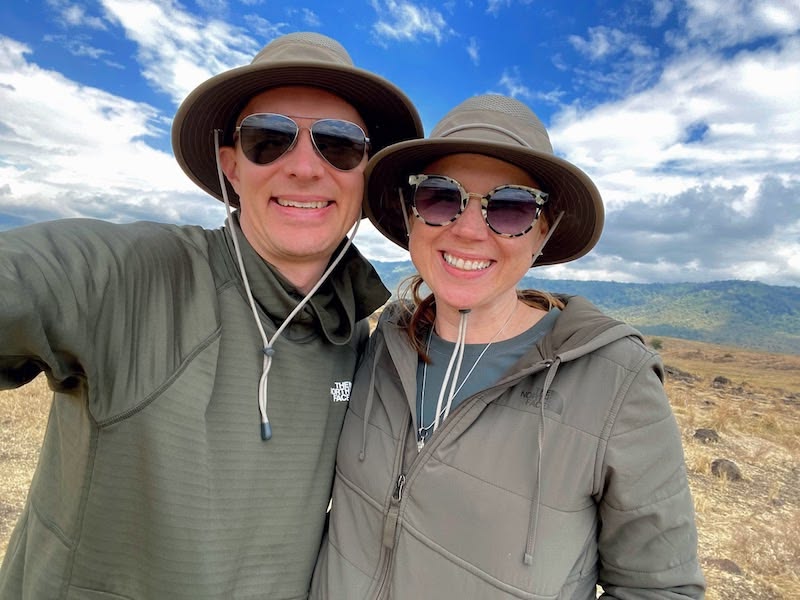
Colors to Wear: Stick to “Earth Tones” like khaki, tan, olive, and beige. These colors don’t show dust and are less likely to disturb the wildlife.
-
Colors to Avoid: Dark blue and black are known to attract tsetse flies, while bright white makes you stand out like a beacon to the animals (and gets dirty instantly). Camo/Military patterns are strictly discouraged as they are often reserved for local security forces.
-
The Layering Strategy: A typical day starts at 10°C (50°F) at dawn and climbs to 28°C (82°F) by noon. Pack a high-quality fleece or windbreaker for the morning, and wear breathable linen or moisture-wicking shirts underneath.
2. Footwear for the Bush and the Lodge
Your choice of shoes can make or break your experience, especially if you plan on doing a walking safari.
-
Sturdy Hiking Boots: Essential for any guided bush walk. Look for boots with ankle support and a thick sole to protect against acacia thorns.
-
Closed-Toe Shoes for Game Drives: Even when inside the Jeep, we recommend closed-toe shoes to keep your feet warm during early morning starts.
-
Lightweight Sandals: Perfect for relaxing at the lodge or around the pool in the afternoons.
3. Optics and Photography Gear
You are traveling thousands of miles to see the world’s most spectacular wildlife; make sure you can actually see them!
-
High-Quality Binoculars: This is the most underrated item on the Ultimate Kenya Safari Packing List for International Travelers. We recommend 8×42 or 10×42 magnification.
-
Camera with a Zoom Lens: A lens with at least a 300mm reach is necessary for those intimate leopard or bird shots.
-
Dust Protection: The Kenyan savannah is beautiful but dusty. Bring a microfiber cloth and a protective bag or “buff” to wrap around your camera gear when the vehicle is moving.
4. Health and Sun Protection
The African sun at the equator is significantly stronger than in Europe or North America.
-
High-SPF Sunscreen (50+): Apply it even on cloudy days.
-
Wide-Brimmed Hat: Ensure it has a chin strap so it doesn’t fly off when the 4×4 Jeep is in motion.
-
Insect Repellent: Look for brands with at least 30% DEET for maximum protection during evening sundowners.
-
Polarized Sunglasses: These are essential for cutting the glare on the open plains, making it much easier for you to spot animals in the distance.
5. Luggage Restrictions: The Soft-Sided Rule
If your itinerary includes a Fly-In Safari, this is the most important part of the Ultimate Kenya Safari Packing List for International Travelers. Most domestic bush planes (like Safarilink or AirKenya) have a 15kg (33lbs) weight limit. Crucially, you must use a soft-sided duffel bag. Hard-shell suitcases often cannot fit into the small, irregularly shaped luggage compartments of light aircraft.
6. The “Safari Survival” Kit
Small items that make a big difference:
-
Power Bank: While our 4×4 Jeeps have charging ports, a portable bank is great for long days in the field.
-
Universal Travel Adapter: Kenya uses the Type G (British-style) three-pin plug.
-
Personal Medication: Bring a basic first-aid kit with antihistamines, painkillers, and any malaria prophylaxis recommended by your doctor.
-
Reusable Water Bottle: Help us keep our parks plastic-free!
Conclusion: Less is More
The beauty of a luxury safari is that most lodges offer daily laundry services. This means you don’t need a different outfit for every day. Pack light, focus on quality, and remember that the best thing you can bring on safari is a sense of wonder and a bit of patience. By following this Ultimate Kenya Safari Packing List for International Travelers, you’ll be ready for whatever the wild decides to show you.